


Coast to Coast on the TransAmerica Trail in a Crosstrek Wilderness
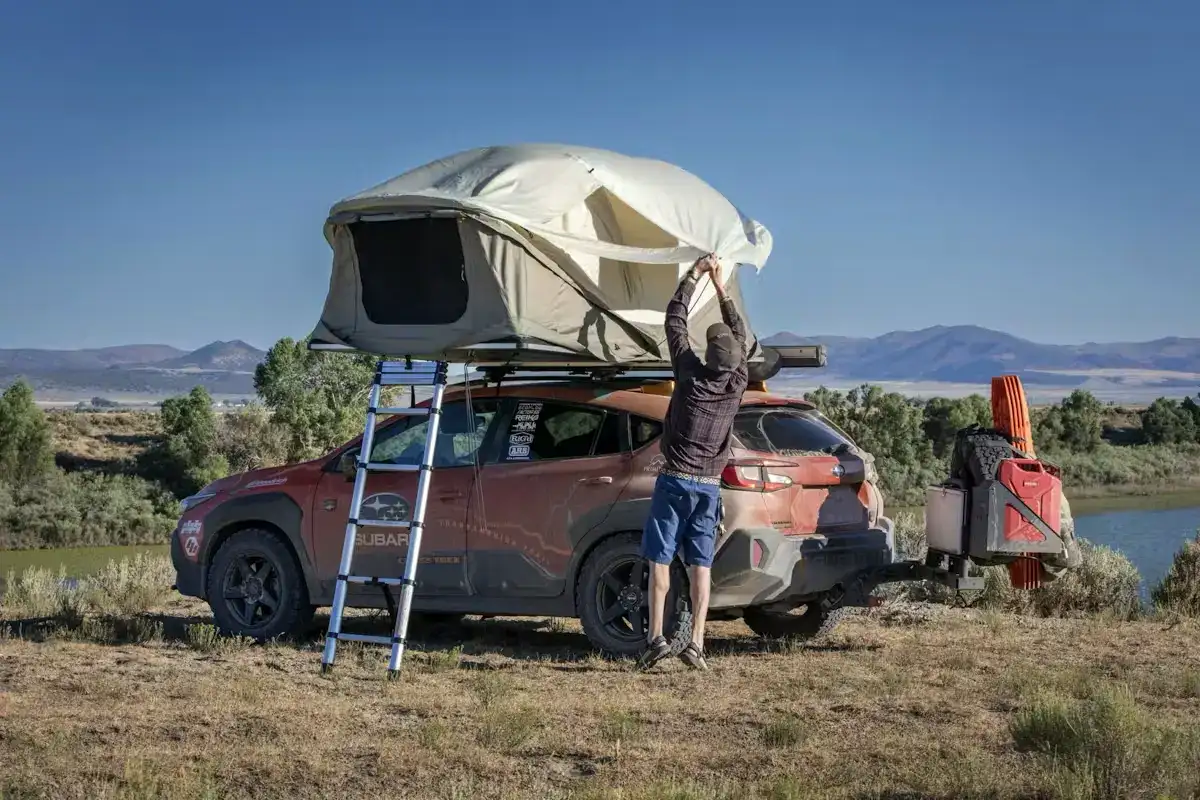
The first thing to know about Subarus and off-roading is that they are not big body-on-frame purpose-built off-roaders with massive tires, two-speed transfer cases, or locking differentials. And yet, the second thing to know is that they are far more capable than some vehicles with this setup. Subaru, along with Andy and Mercedes Lilienthal, set out to prove the second part by embarking on a 29-day transcontinental trek across the United States on the TransAmerica Trail, which they wrote about in OffRoad Xtreme. Ewing Subaru of Plano summarizes their experience.
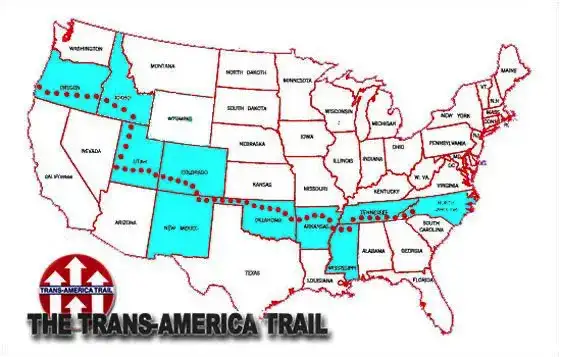
The TransAmerica Trail (TAT) was first charted by motorcyclist Sam Correro in 1984. It started slowly but eventually became a coast-to-coast route across the mainland United States, featuring as much off-roading as possible along the way. Not to be confused with the bicycling TransAmerica Trail established for the bicentennial, one end of the TAT is at Nags Head on the North Carolina coast, reaching across the country to Port Orford, Oregon. In a way, it’s the ultimate U.S. overlanding adventure, and the Lilienthals coordinated with Subaru to undertake it in a 2025 Crosstrek Wilderness.
The Crosstrek Wilderness is powered by a 182 hp 2.5-liter Boxer engine, paired with a CVT that has been revised for better traction at low speeds and features a drive ratio adjusted from 3.700:1 to 4.111:1. The Wilderness is raised to 9.3 inches of ground clearance, resulting in a 20-degree approach angle, a 33-degree departure angle, and a 21.1-degree breakover angle. While, as mentioned, there is no two-speed transfer case or locking differentials, it does include Subaru’s dual-function X-MODE drive mode, which features specially designed settings to optimize traction in dirt, mud, or deep snow. The body features ample side-body cladding to help protect the paint from low-lying obstacles or trail hazards. The base MSRP, including destination and delivery, is $33,915.
No one would embark on such a trip without making some modifications, and experienced overlanders like the Lilienthals were no different. While the Wilderness comes equipped with Yokohama Geolander all-terrain tires, they swapped these out for BFGoodrich KO2 all-terrain tires mounted on satin black 17×8-inch Reika Seeker wheels, a setup they were familiar with. They also added Primitive Racing front, mid, and differential skid plates made from 3/16-inch aluminum. Multiple signs of impact on these plates showed they did their job. On top, they installed Thule crossbars on the Wilderness’s roof rails, supporting a Thule Approach rooftop tent. Up front, they also added a light bar for an additional 4,095 lumens of forward lighting.
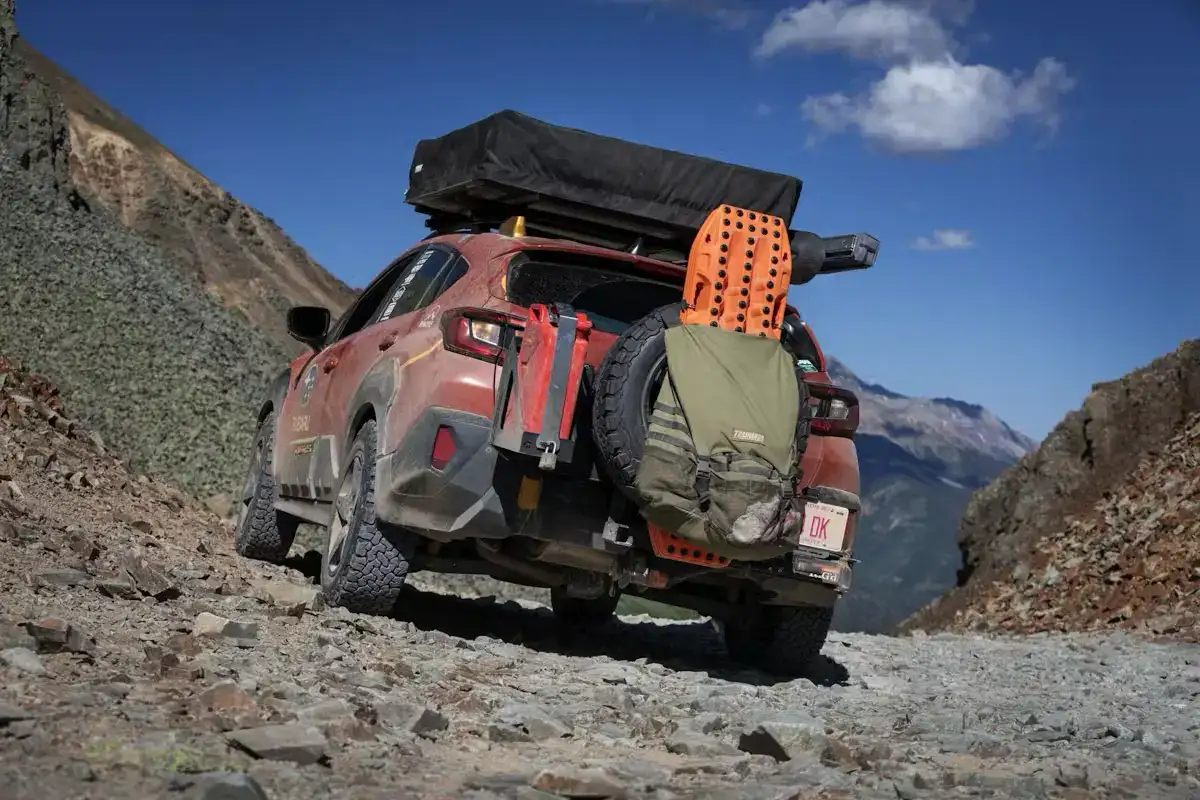
Inside, they had an ARB Classic Series II 50-quart fridge/freezer, an EcoFlow 800W Alternator Charger, and a DELTA 3 Plus power station, providing a constant ability to charge devices and send power back to the Subaru’s 12-volt battery at night to keep the vehicle topped off. To make more room inside, they used the rear hitch to mount the spare along with two sets of MATRAX XTREME recovery boards.
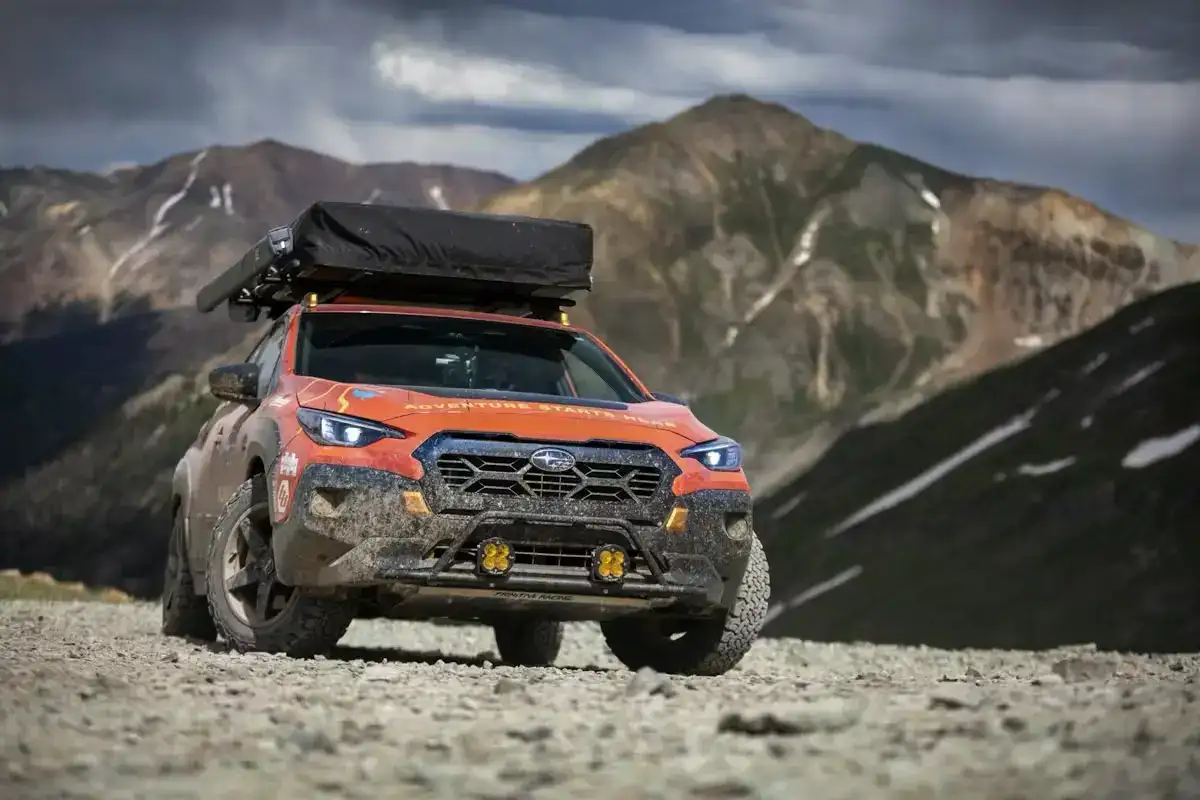
In stock form, the Crosstrek Wilderness weighs about 3,369 pounds but has a generous gross vehicle weight rating (GVWR) of 4,817 pounds. The vehicle modifications brought that up to a hair under 4000 pounds. Fortunately, after about 200 pounds of luggage and themselves, they still had a decent margin. Still, they added Bilstein B6 and rear King lift springs to help deal with the extra weight.
They found the trail had not been heavily traveled upon and had to deviate 39 times to avoid felled trees and other recent storm damage. With heavy trail use and an average of 25 mph, it took 13 days to reach Oklahoma from North Carolina, which Google Maps estimated would have taken 20.5 hours on highways. For those in a hurry, remember to thank President Eisenhower for the interstate system
Oklahoma and New Mexico were fairly flat, but they were approaching Colorado, known for its tough mountains and no shortage of Subarus. By the time they saw a “4WD Recommended” sign, the other Subarus were gone. A turbocharger would have helped around 11,500 feet as the engine sucked in thin air and slowed a bit, but it kept climbing to Cinnamon Pass’s 12,640-foot summit. However, California Pass at 12,930 feet proved too high for the heavily loaded Crosstrek, so they made a workaround. When they reached Port Orford, they had traveled 7,163 miles, mostly off big highways, with 3,184 miles on unpaved roads.
The Lilienthals state that while the TransAmerica Trail is not the most well-known route for off-road enthusiasts, they highly recommend it for overlanding fans with a month of free time and a properly outfitted vehicle, which now can include a Subaru Wilderness model.
While you may not share the same goals for your next vehicle, this demonstrates that a Subaru purchased from Ewing Subaru of Plano can likely handle whatever a casual off-roader demands while remaining a reliable and comfortable vehicle for everyday use. If you live near the Plano area, visit Ewing Subaru of Plano, explore Subaru’s impressive lineup of vehicles, and start planning your next adventure.
0 comment(s) so far on Coast to Coast on the TransAmerica Trail in a Crosstrek Wilderness